curating
In curating a range of interdisciplinary exhibitions, I aim to highlight the power of artistic activism and storytelling. My ongoing mission is to continue promoting contemporary Tajik artists, providing a platform for their voices, their stories, and their unique perspectives on the global stage.
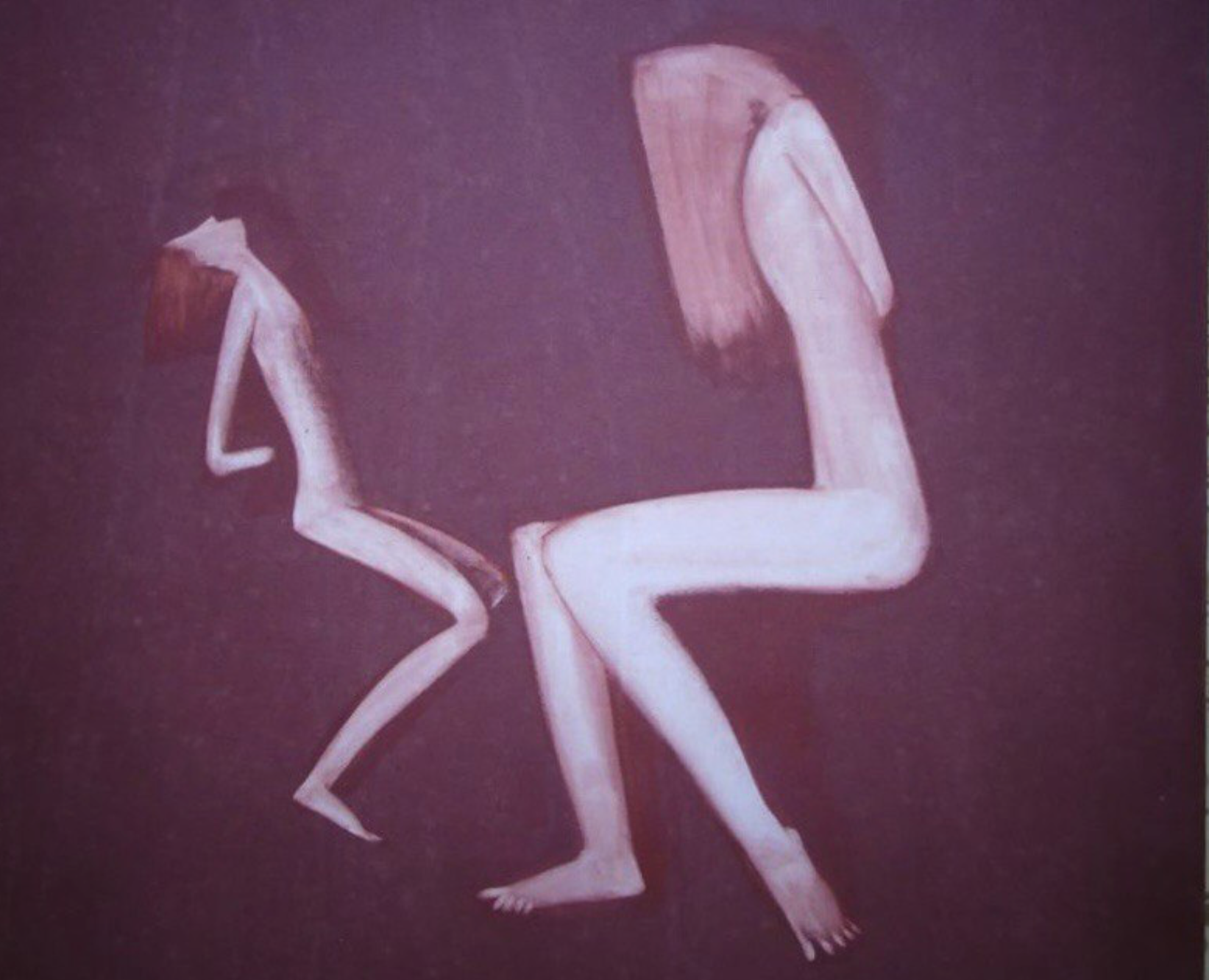
Youth Against Violence: Reclaiming Dignity
Youth Against Violence: Reclaiming Dignity is an interdisciplinary artistic activism project held in Dushanbe, Tajikistan, on June 26, 2019, to mark the International Day in Support of Victims of Torture. The initiative advocates for human dignity and raises awareness of physical, psychological, and systemic violence. The project features an impressive exhibition of graphic art, including 10 symbolic works by the renowned Tajik artist Farrukh Negmatzade. The program also encompasses a 17-minute multimedia performance titled "Youth for the Rule of Law", featuring Firuza Abduvali Kyzy. By combining visual art, performance, and engagement through global social media networks, the project fosters an important dialogue and empowers young people to take a stand against human rights violations.
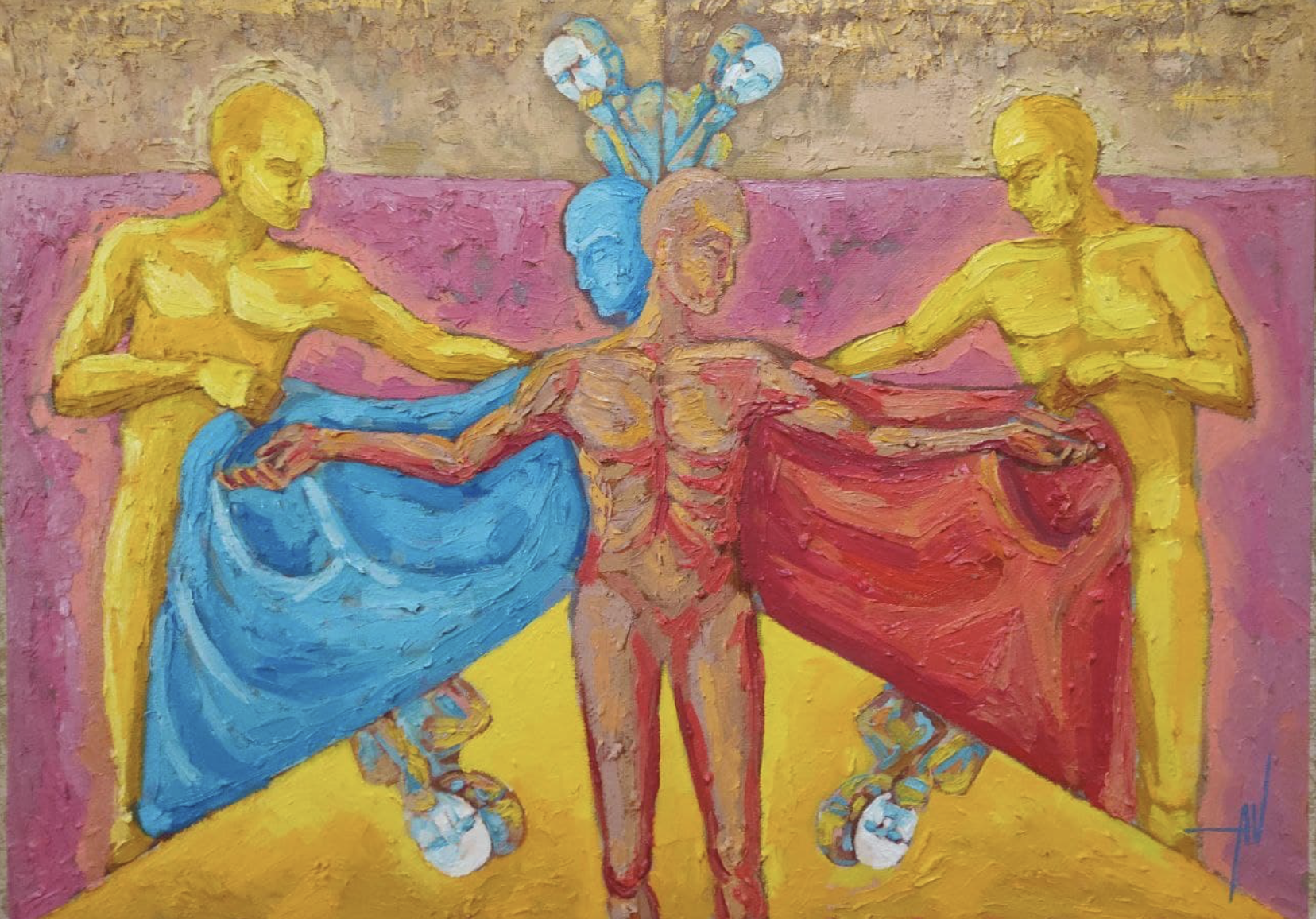
Three Transformations: A Dialogue with Nietzsche features 15 interconnected canvases by contemporary Tajik artist Vais Asoev. The exhibition explores themes of spiritual evolution, resilience, and personal reinvention through the lens of Friedrich Nietzsche’s symbolic archetypes—the Camel, the Lion, and the Child. Merging abstraction and figuration, Asoev presents a deeply personal visual journey that implicitly examines his own queer identity against societal expectations. While echoing Nietzsche's philosophy on self-overcoming, the artworks reframe transformation as an interconnected, communal process defined by vulnerability, intimacy, and the freedom to create new forms of self-expression.
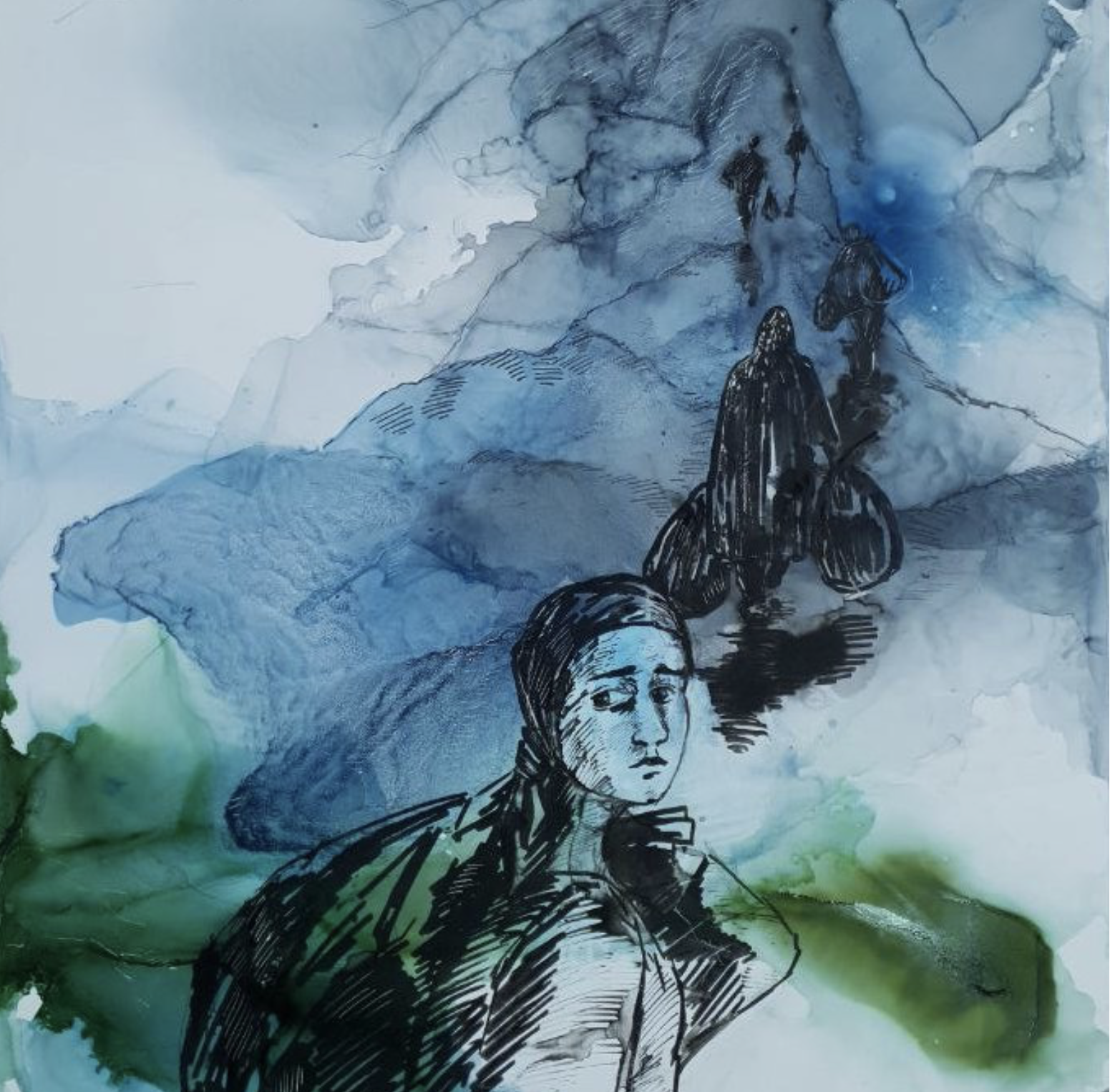
Women and Conflict: A Tribute to the Resilience and Memory of Victims is a project and accompanying art exhibition centered on the experiences of women affected by war. Grounded in Tajik poet and chronicler Gulruhsor Safi's 2001 collection Woman and War—which documents testimonies from survivors of Tajikistan's civil war—the initiative highlights the universal burdens of displacement, grief, and maternal suffering endured by women across global conflict zones. The accompanying graphic exhibition features monochromatic visual artworks created by a Tajik artist who remains incognito for security reasons, capturing the visceral fear, desolation, and silent trauma of war survivors. By connecting literature and visual art, the project pays tribute to women as custodians of memory and vital agents of healing, offering a powerful call to honor their resilience and promote peace.
Create Your Own Website With Webador